
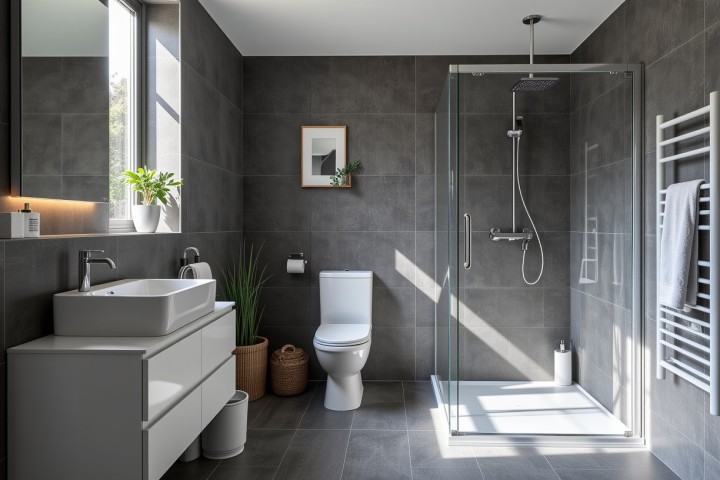
In the post-pandemic era, the pursuit of hygiene has transcended basic cleanliness to become a core demand in modern living spaces, and bathrooms—long recognized as critical hubs for personal health—are undergoing a profound transformation driven by smart technology. Among the most impactful innovations reshaping bathroom hygiene are smart toilets and touchless faucets. These devices not only redefine convenience but also set new standards for germ prevention, sustainability, and personalized comfort, solidifying their role as the cornerstone of the “hygienic bathroom of the future.”
The Rise of Touchless Faucets: Hygiene at the First Touch
The bathroom faucet, a fixture used dozens of times daily, has long been a hidden hotbed for germ transmission. Traditional manual faucets require physical contact to turn on and off, meaning hands cleaned with soap and water can easily recontaminate when shutting off the tap—a frustrating loop that undermines hygiene efforts. Touchless faucets eliminate this flaw through sensor technology, using infrared or motion-sensing mechanisms to activate water flow the moment hands approach and stop it once they move away. This “no-touch” interaction breaks the chain of germ transfer entirely, making them a non-negotiable upgrade for households, hotels, hospitals, and public restrooms alike.
Beyond hygiene, touchless faucets excel in efficiency and sustainability. Most models are equipped with flow restrictors that reduce water usage by 30-50% compared to traditional faucets, without sacrificing water pressure. In households, this translates to lower utility bills and reduced environmental impact; in commercial settings like restaurants or airports, the savings are even more substantial. Advanced versions also offer customizable features, such as adjustable water temperature presets (ideal for families with young children or elderly members) and automatic shutoff timers to prevent waste from forgotten taps. For users, the benefit is clear: a faucet that works with their routine, not against it.
Smart Toilets: Redefining Personal Hygiene and Comfort
If touchless faucets address the “entry point” of bathroom hygiene, smart toilets revolutionize the entire experience. Far beyond the basic function of traditional toilets, smart models integrate cutting-edge features designed for cleanliness, comfort, and even health monitoring.
A key hygiene feature of smart toilets is the built-in bidet function. Unlike toilet paper, which can leave residue and irritate sensitive skin, bidets use adjustable streams of warm water to clean thoroughly—reducing the risk of bacterial growth and promoting better personal hygiene. Many models also include air-drying functions, eliminating the need for toilet paper altogether and reducing waste. Additionally, smart toilets often feature self-cleaning bowls with UV light or antibacterial coatings, which sanitize the surface after each use, ensuring a germ-free environment for the next user.
Comfort is another area where smart toilets shine. Heated seats, which adjust to body temperature, eliminate the discomfort of cold seats in winter. Some models also offer personalized settings, allowing users to save their preferred water pressure, temperature, and seat position—perfect for multi-person households. For individuals with mobility issues or disabilities, smart toilets can be a game-changer: features like automatic lid lifting, flushing, and lowering reduce the need for physical exertion, enhancing independence and dignity.
In recent years, smart toilets have also evolved to include health-monitoring capabilities. Some high-end models can analyze urine samples for markers of dehydration, diabetes, or kidney issues, providing users with real-time health insights. Others track stool consistency and frequency, helping to detect digestive problems early. While these features are still emerging, they highlight the potential of smart toilets to move beyond “hygiene tools” and become integral to proactive health management.
Why They Are the Future of Modern Bathrooms
The growing popularity of smart toilets and touchless faucets is not just a trend—it reflects a fundamental shift in how people approach bathroom design and functionality. Today’s consumers no longer view bathrooms as merely functional spaces; they want them to be sanctuaries of cleanliness, comfort, and wellness. Smart hygiene devices align perfectly with this vision, offering a seamless blend of technology and practicality.
From a societal perspective, these innovations also address broader concerns. In public spaces, touchless faucets and smart toilets reduce the spread of illnesses by minimizing shared touchpoints—a critical advantage in crowded areas like schools, offices, and transportation hubs. In households, they cater to the needs of aging populations and families, making bathrooms more inclusive and accessible. Environmentally, their water-saving features contribute to sustainability efforts, aligning with global goals to reduce water waste.
As technology continues to advance, we can expect even more innovations in bathroom hygiene. Future smart toilets may integrate with home health systems, sharing data with doctors or fitness apps to provide holistic health tracking. Touchless faucets could incorporate water quality sensors, alerting users to contaminants in real time. What is clear is that smart toilets and touchless faucets are not just “luxury additions”—they are essential components of the modern, hygienic bathroom, and their role will only grow in the years to come.
Conclusion
In a world where hygiene, comfort, and sustainability are paramount, smart toilets and touchless faucets have emerged as the defining elements of the modern bathroom. They solve longstanding hygiene (pain points), enhance daily routines with personalized features, and contribute to a more sustainable future. For homeowners renovating their bathrooms, businesses upgrading public facilities, or anyone seeking to elevate their personal hygiene, these devices are no longer optional—they are the future. As we continue to prioritize health and well-being in our living spaces, smart hygiene technology will remain at the forefront, shaping bathrooms that are not just clean, but truly intelligent.